Residential Heating Options Tailored for You

When it comes to keeping our homes warm and comfortable during the cold months, choosing the right heating system is essential. We want a solution that fits our unique needs, budget, and the specific climate challenges we face. In New Hampshire, where winters can be long and harsh, having a reliable heating system is not just a luxury but a necessity. Let’s explore the various residential heating options available and how we can find the best fit for our homes.
Exploring Residential Heating Options
There are several heating options to consider, each with its own advantages and considerations. Understanding these options helps us make informed decisions that ensure warmth, efficiency, and cost-effectiveness.
Oil Heating Systems: Oil furnaces and boilers are popular in many New Hampshire homes. They provide strong, consistent heat and are well-suited for colder climates. Oil heating systems tend to have a higher upfront cost but offer reliable performance and can be very efficient with proper maintenance.
Propane Heating Systems: Propane is a clean-burning fuel that can be used in furnaces, boilers, and even space heaters. It’s a flexible option for homes without natural gas lines. Propane systems heat quickly and can be more environmentally friendly than oil.
Electric Heating: Electric baseboards, heat pumps, and radiant floor heating are common electric options. Heat pumps, in particular, are gaining popularity because they can both heat and cool a home efficiently. However, electric heating can be more expensive depending on electricity rates.
Wood and Pellet Stoves: For those who prefer a more traditional or supplemental heat source, wood and pellet stoves offer a cozy atmosphere and can reduce reliance on fossil fuels. They require regular maintenance and fuel supply management.
Hybrid Systems: Combining two or more heating methods, such as a heat pump with a propane furnace, can optimize efficiency and comfort. Hybrid systems adjust based on outdoor temperatures and energy costs.
Each option has its place depending on the home’s size, insulation, and personal preferences. We recommend evaluating your current system and considering upgrades or replacements that align with your lifestyle and budget.
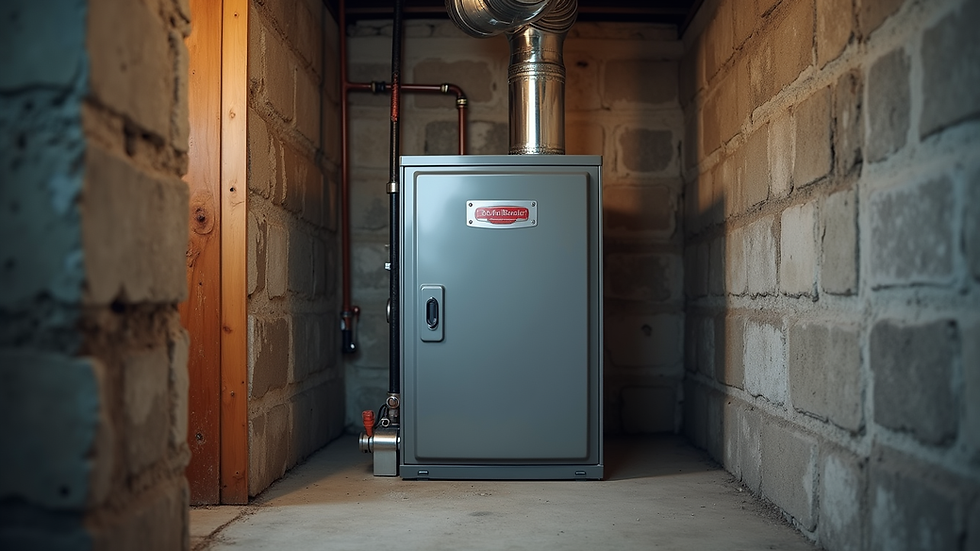
What is the Most Efficient Residential Heating System?
Efficiency is a key factor when selecting a heating system. The most efficient system not only reduces energy bills but also minimizes environmental impact. Here’s a closer look at some of the top contenders:
High-Efficiency Oil Furnaces: Modern oil furnaces can reach efficiency ratings of up to 87-90%. They use advanced combustion technology to extract more heat from each gallon of oil.
Condensing Boilers and Furnaces: These systems capture heat from exhaust gases that would otherwise be wasted. They can achieve efficiency levels above 90%, making them a smart choice for oil or propane users.
Heat Pumps: Air-source heat pumps can deliver 1.5 to 3 times more heat energy than the electrical energy they consume. Cold climate heat pumps are designed to work efficiently even in freezing temperatures, making them a viable option in New Hampshire.
Radiant Floor Heating: While not a heating source itself, radiant floor systems paired with efficient boilers or heat pumps provide even heat distribution and can reduce overall energy use.
When considering efficiency, it’s important to factor in installation quality, regular maintenance, and proper sizing. An oversized or undersized system can waste energy and reduce comfort. Consulting with a trusted heating professional can help determine the best efficient system for your home.
Practical Tips for Choosing the Right Heating System
Choosing the right heating system involves more than just picking the most efficient model. Here are some practical tips to guide the decision:
Assess Your Home’s Insulation and Air Sealing
Before upgrading your heating system, ensure your home is well insulated and sealed. This reduces heat loss and allows your system to work more efficiently.
Consider Fuel Availability and Cost
In New Hampshire, oil and propane are common fuels. Check local prices and delivery options. Sometimes, choosing a fuel with reliable local supply can save money and hassle.
Think About Maintenance Requirements
Some systems require more frequent maintenance. Oil furnaces need annual cleaning and tune-ups, while electric systems generally require less upkeep.
Evaluate Your Budget
Factor in installation costs, fuel expenses, and potential rebates or incentives. Sometimes investing more upfront in a high-efficiency system pays off in the long run.
Plan for Future Needs
If you plan to expand your home or add rooms, consider a system that can scale or be adjusted accordingly.
Look for Professional Installation and Support
Proper installation is critical for performance and safety. Choose a provider with experience in your chosen system and region.
By following these tips, we can select a heating system that fits our home’s unique needs and keeps us warm through the coldest months.

How to Maintain Your Heating System for Longevity and Efficiency
Once we have the right heating system, maintaining it is essential to keep it running smoothly and efficiently. Here are some maintenance practices to follow:
Schedule Annual Professional Inspections
A qualified technician can check for issues, clean components, and ensure the system operates safely.
Change or Clean Filters Regularly
Dirty filters reduce airflow and efficiency. Replace or clean them according to manufacturer recommendations.
Keep Vents and Radiators Clear
Avoid blocking heat sources with furniture or curtains to allow proper heat circulation.
Monitor Fuel Levels and Delivery
For oil and propane systems, keep an eye on fuel levels and schedule timely deliveries to avoid running out during cold spells.
Check Thermostat Settings
Use programmable thermostats to optimize heating schedules and reduce energy waste.
Inspect for Leaks or Corrosion
Early detection of leaks or rust can prevent costly repairs and system failures.
Regular maintenance not only extends the life of the heating system but also ensures it operates at peak efficiency, saving money and providing peace of mind.
Making the Most of Your Heating Investment
Investing in a heating system is a significant decision. To maximize the benefits, consider these additional strategies:
Use Zoned Heating
Heating only the rooms you use can reduce energy consumption. Zoned systems or smart thermostats help manage this effectively.
Seal Windows and Doors
Prevent drafts by sealing gaps and using weatherstripping. This keeps warm air inside and cold air out.
Add Supplemental Heat Sources
Portable heaters or wood stoves can provide extra warmth in specific areas without heating the entire home.
Take Advantage of Rebates and Incentives
Check for local or state programs that offer financial incentives for upgrading to energy-efficient heating systems.
Educate Household Members
Encourage everyone to dress appropriately indoors and adjust thermostat settings to save energy.
By combining the right heating system with smart habits, we can enjoy a warm, comfortable home while managing costs effectively.
Choosing the right residential heating options is a journey that requires careful thought and planning. By understanding the available systems, focusing on efficiency, and maintaining our equipment, we ensure our homes stay warm and safe throughout New Hampshire’s cold seasons. For those looking for trusted residential heating solutions tailored to their needs, professional guidance and reliable service make all the difference. Let’s stay warm together with the best heating choices for our homes.


Comments